
Real Squatter, Hoarder And Distressed Properties
These are actual Sacramento-region problem properties—not stock photography or staged marketing images. Darren Brown has worked with houses involving unauthorized occupants, squatters, hoarder conditions, severe deferred maintenance, vandalism, inherited-property complications, liens, code violations, and major rehabilitation.
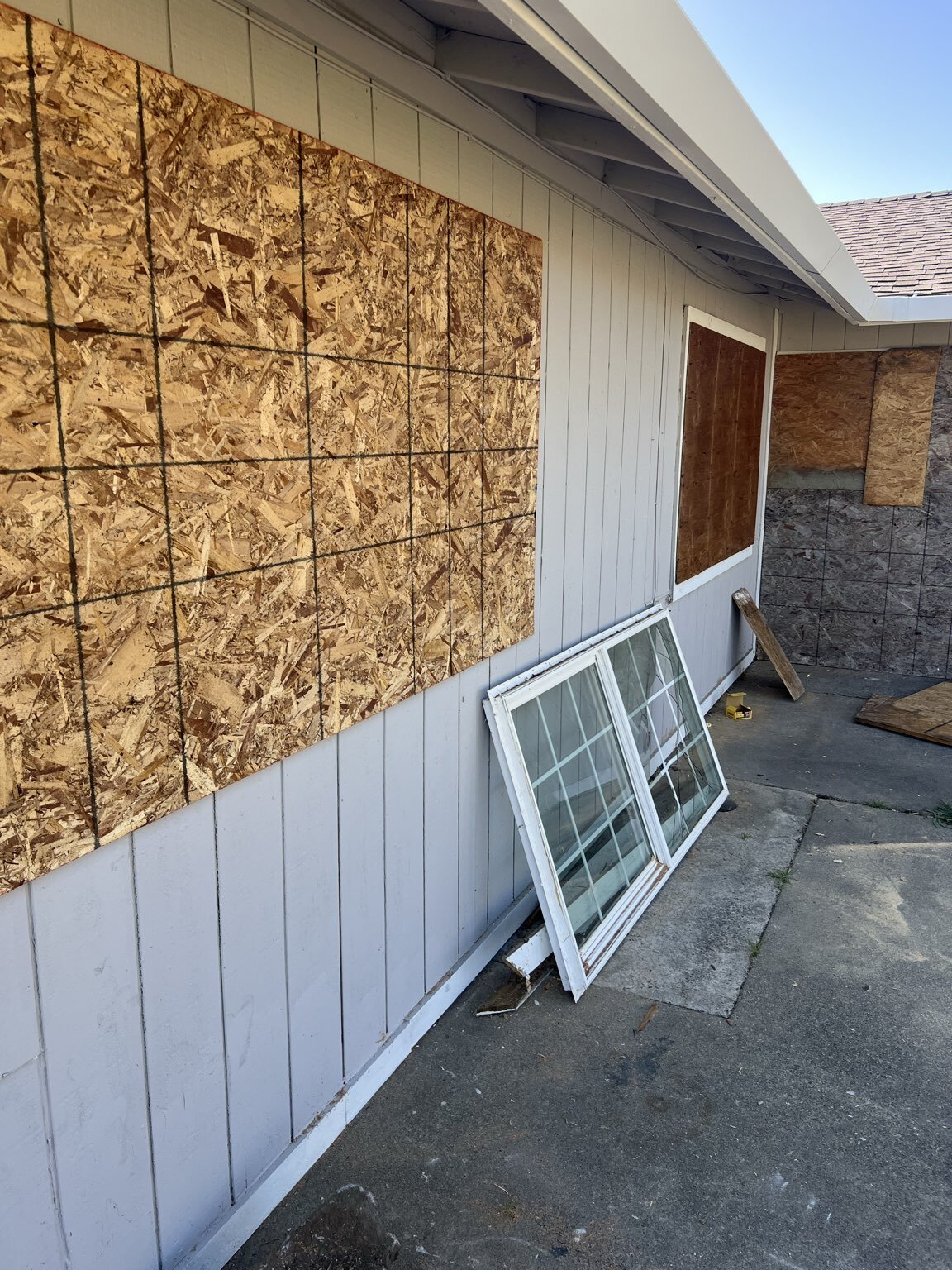
Actual Squatter Property
Unauthorized occupancy and difficult property conditions.
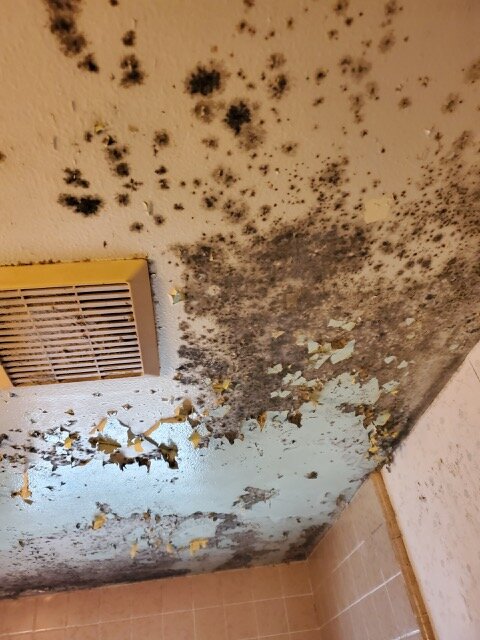
Interior Property Damage
Purchased without requiring the seller to make repairs.
Problem Property
No cleaning, staging, or conventional preparation required.
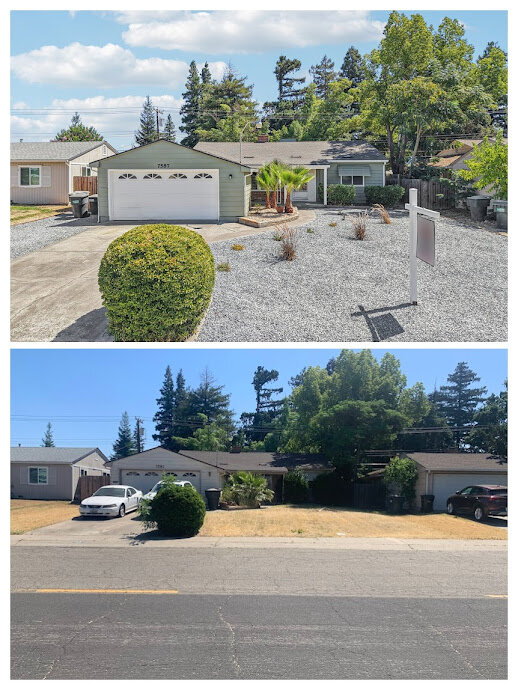
Circle Parkway
Tenant-occupied hoarder house purchased completely as-is.
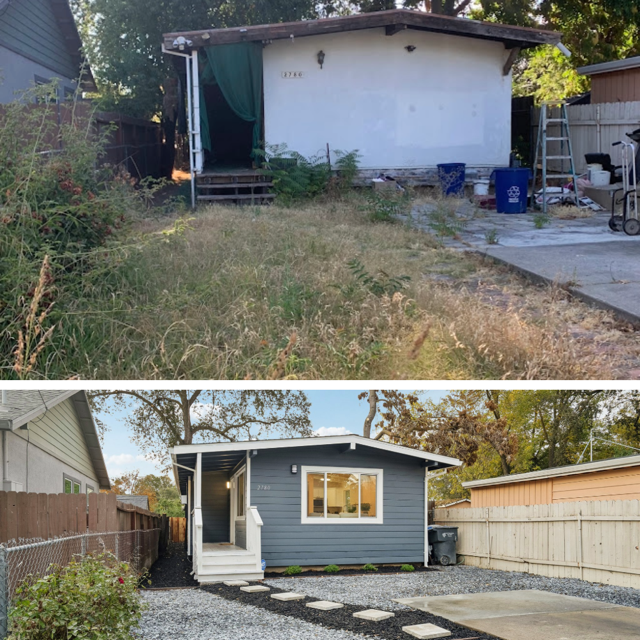
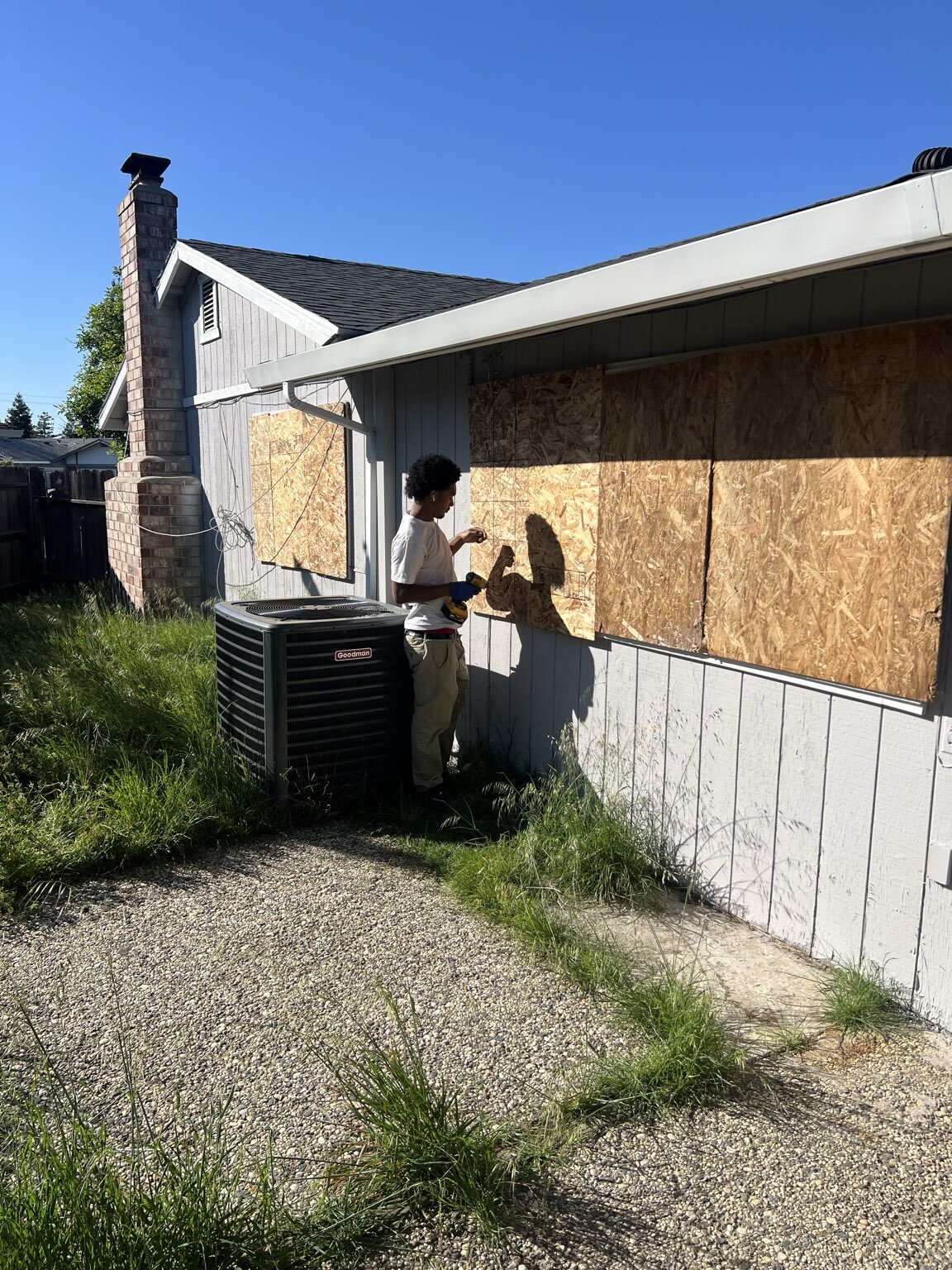
Distressed Exterior
Overgrowth, neglect, deferred maintenance, and security concerns.
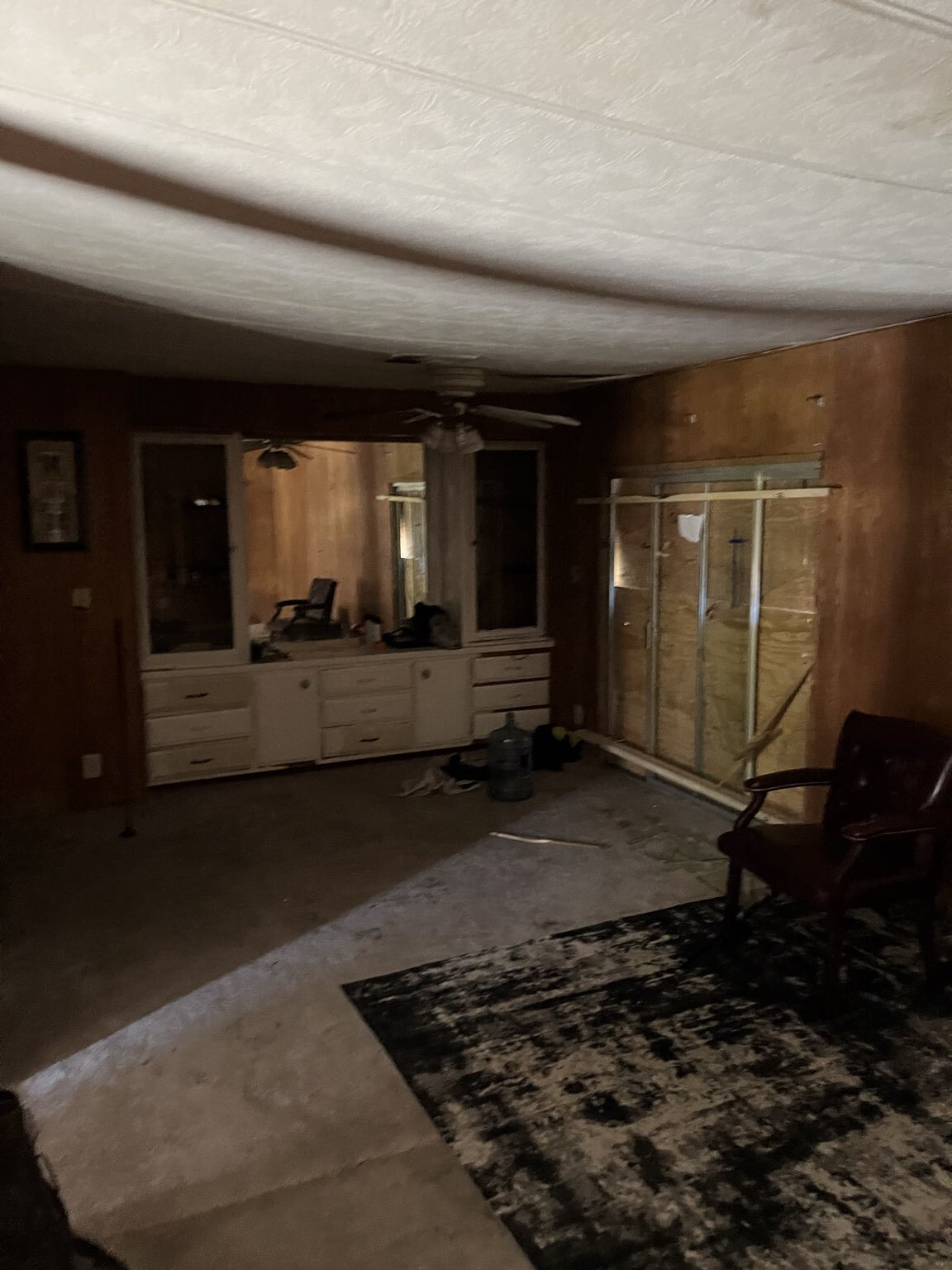
Severe Interior Neglect
A heavy-rehabilitation property not ready for a retail listing.
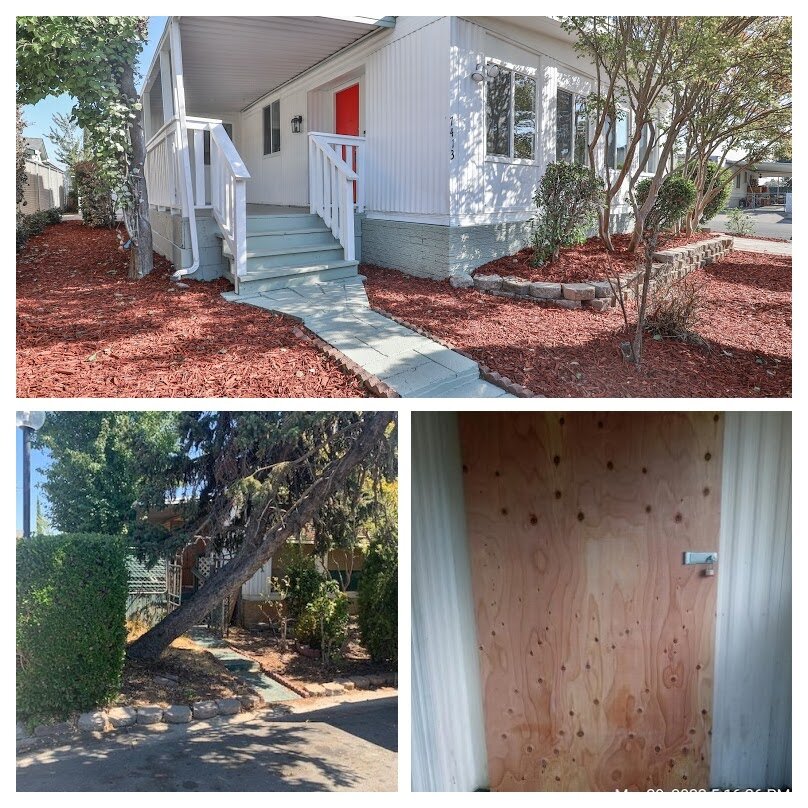
Mandeville Property
Probate, liens, squatters, and extensive property-condition issues.

Heavy Fixer Collection
Real distressed houses purchased without traditional preparation.
Watch Real Squatter And Property Walkthrough Videos
These videos show real-time footage from actual Sacramento-area properties. They demonstrate the occupancy problems, accumulated belongings, deferred maintenance, damage, and difficult conditions that many traditional buyers and lenders are unwilling to accept.
Flaum Court Squatter Footage
Real-time footage showing an unauthorized occupant sleeping inside the property. Darren continued working through the occupancy and closing complications instead of abandoning the transaction.
Circle Parkway Walkthrough
Walk through a heavily distressed, tenant-occupied hoarder property with accumulated belongings, deferred maintenance, cleanup needs, and extensive rehabilitation.
Natomas Squatter Property
See another real Sacramento-area occupancy problem and the type of difficult property situation that can create financial pressure, neighborhood concerns, and selling complications.
Can You Sell A House With Squatters In California?
Yes. A California property owner can generally sell a house even when unauthorized occupants, squatters, non-paying occupants, or another difficult occupancy situation exists. However, transferring ownership does not automatically remove the occupants or replace California’s lawful possession process. The occupancy status, title, existing notices, court filings, liens, code violations, seller authority, and purchase agreement must all be evaluated before closing.
Many owners assume they must first recover possession, repair every damaged area, remove all abandoned belongings, clean the property, and prepare it for conventional showings. That may be required for some traditional buyers, lenders, and listing strategies, but it is not always required before requesting a direct as-is cash offer.
Darren Brown evaluates difficult Sacramento-region properties in their current condition. That may include houses with squatters, unauthorized occupants, vandalism, broken windows, missing fixtures, severe deferred maintenance, code violations, hoarder conditions, inherited-property complications, unpaid taxes, liens, or an eviction already in progress.
Every case is different. Owners should obtain legal advice regarding notices, occupant rights, eviction, possession, and court procedures. The official California Courts eviction guide for landlords explains the state’s legal process. Darren provides a potential property-sale solution; he does not replace an attorney, court, sheriff, or lawful possession procedure.
The practical question is whether the title, seller authority, occupancy status, access, condition, pricing, and closing responsibilities can be addressed through a clear written purchase agreement.
Key Takeaways For Squatter-Property Owners
A Sale And An Eviction Are Different
Selling ownership does not automatically terminate an occupant’s rights or eliminate California’s legal requirements for recovering possession.
Condition Does Not Automatically Prevent A Sale
Broken windows, debris, vandalism, missing fixtures, code violations, overgrowth, and interior damage may affect value without making a direct as-is transaction impossible.
Documentation Matters
Preserve notices, leases, photographs, police reports, communications, payment records, utility records, code notices, court filings, and evidence of damage.
Waiting Can Increase The Damage
Taxes, insurance, utilities, legal expenses, vandalism, theft, code fines, neighborhood complaints, and physical deterioration may continue each month.
Not Every Cash Buyer Is The Same
Verify who is signing the contract, whether the buyer is licensed, whether the buyer has real closing experience, and whether the agreement may be assigned to someone else.
Compare Your Actual Net Result
A projected listing price is not the same as the final amount remaining after repairs, cleanup, commissions, concessions, carrying costs, legal expenses, and financing delays.
Who This Squatter Resource Center Is Designed For
This resource is intended for owners who need practical information about selling a difficult occupied or distressed property. It does not assume that every occupant is legally a squatter or that every owner should choose a direct cash sale. Its purpose is to help property owners identify the facts, risks, costs, and selling paths that may apply to their situation.
Owners Facing Unknown Or Unauthorized Occupants
This includes owners who discovered people living in a vacant house, changed locks, unauthorized utility use, vandalism, abandoned vehicles, repeated police activity, or neighbors reporting unusual activity.
Landlords With A Difficult Former Tenant
A former tenant, non-paying tenant, holdover occupant, roommate, guest, or family member may have legal rights depending on the facts. The owner needs a clear understanding of the occupancy history before choosing a selling strategy.
Executors And Families Handling Inherited Property
Inherited homes may be occupied by relatives, former caregivers, tenants, unknown occupants, or people claiming permission from the deceased owner. Probate authority and title must be reviewed alongside the occupancy issue.
Out-Of-Area And Absentee Owners
Owners who live outside Sacramento may be unable to inspect the house frequently, coordinate contractors, respond to code enforcement, attend court proceedings, or monitor additional property damage.
Owners With Code Violations Or Severe Damage
Unauthorized occupancy often overlaps with overgrown yards, boarded openings, missing systems, trash accumulation, unsafe structures, fire damage, water intrusion, or municipal correction orders.
Owners Comparing Repairing, Listing, Or Selling As-Is
Some owners regain possession and complete a retail renovation. Others sell directly in the property’s current condition. The right path depends on money, time, risk tolerance, access, and the owner’s priorities.
Why Squatter Properties Require A Different Selling Strategy
A normal retail sale assumes the homeowner can provide predictable access, maintain the property, complete requested repairs, accommodate inspections, satisfy an appraiser, maintain insurance, and deliver possession according to the purchase agreement. A squatter or unauthorized-occupancy property may not meet several of those assumptions.
That does not necessarily prevent a sale. It means the owner should compare the complete transaction rather than focusing only on a potential asking price. The expected net proceeds, probability of closing, legal responsibilities, preparation costs, additional property damage, and time required all matter.
Access May Be Limited Or Unsafe
Occupants may change locks, deny entry, threaten contractors, remove notices, damage security equipment, or prevent inspections. Traditional buyers and lenders often expect routine access that the owner cannot guarantee.
Damage May Continue While The Owner Waits
Doors, windows, plumbing, electrical wiring, appliances, HVAC equipment, cabinets, flooring, roofing, landscaping, and exterior materials may be damaged or removed while the property remains uncontrolled.
Insurance May Become More Complicated
Vacancy, unauthorized occupancy, prior claims, vandalism, unsafe conditions, and deferred maintenance may affect coverage, premiums, exclusions, renewals, and the handling of future claims.
Traditional Financing May Fail
A lender may reject a property that is inaccessible, uninsurable, substantially damaged, missing essential systems, unsafe, or unable to satisfy appraisal and habitability requirements.
Ownership Expenses Continue
Mortgage payments, taxes, insurance, utilities, legal costs, maintenance obligations, HOA charges, code enforcement matters, and neighborhood complaints do not disappear because unauthorized occupants are present.
Closing Certainty Becomes More Valuable
A high projected price has limited value when the buyer cannot obtain financing, the property cannot pass inspection, access remains uncertain, or the transaction depends on months of additional work.
The strongest decision accounts for possession, repairs, cleanup, legal expenses, carrying costs, commissions, financing risk, closing time, and the amount the seller is expected to receive after every expense.
Verified Trust Signals And Why They Matter Before Selling A Squatter Property
When a property involves squatters, unauthorized occupants, vandalism, deferred maintenance, probate complications, code enforcement, or legal uncertainty, choosing the right buyer becomes just as important as negotiating the purchase price. Many sellers naturally focus on the dollar amount being offered, but experienced homeowners also evaluate who will actually be responsible for completing the transaction.
A purchase agreement is only as dependable as the person or company standing behind it. Difficult properties often expose inexperienced buyers, wholesalers without confirmed funding, or companies that rely on assigning contracts rather than completing purchases themselves.
The resources below allow homeowners to verify Darren Brown independently. Whether you ultimately work with Darren or another buyer, checking licensing, business registration, public reputation, local involvement, and transaction accountability can reduce unnecessary risk.
A+ Better Business Bureau Rating
The Better Business Bureau provides an independent place to review business information, public accountability, complaint history, and customer-facing reputation. This matters when a homeowner is relying on a buyer to perform through a complicated transaction.
Verify Darren’s BBB Profile →Licensed California Real Estate Broker
A California broker operates under state licensing rules, continuing education requirements, professional standards, and regulatory oversight. That creates a level of accountability that many unlicensed investors and anonymous wholesalers do not have.
View California Broker Documentation →Disabled Veteran Business Enterprise Certified
California DVBE certification requires documented eligibility and state verification. It provides another independent trust signal showing that the business has been reviewed beyond its own advertising claims.
View DVBE Certification →Retired United States Air Force Veteran
Military retirement reflects a long history of discipline, responsibility, and accountability. While service alone should not determine a selling decision, many homeowners value knowing who is standing behind the agreement.
View Veteran Service Documentation →California Secretary Of State Business Filing
Before signing a purchase agreement, homeowners should verify the legal business entity named in the contract. This helps confirm exactly who is entering the transaction and who is responsible for performing.
View California Business Filing →Sacramento Metro Chamber Member
Local involvement provides another layer of regional accountability. An established Sacramento-area business is easier to verify than an anonymous website or temporary operation with no visible community presence.
Verify Sacramento Metro Chamber Membership →Two buyers may present similar prices while offering very different levels of experience, funding, communication, accountability, and closing certainty. Before accepting any offer, verify who will purchase the property, whether the agreement may be assigned, whether the buyer has completed similar transactions, and whether important promises are documented in writing.
Questions Every Owner Should Ask Before Accepting A Cash Offer
Many property owners never think to interview a cash buyer. Yet a few direct questions can reveal major differences between a dependable direct buyer and someone who is simply trying to control the property under contract.
An experienced buyer should answer clearly, explain the process without pressure, identify the purchasing entity, discuss realistic closing requirements, and provide evidence supporting important claims.
Who Is Actually Buying My House?
Ask whether the company intends to purchase the property directly or place it under contract and search for another investor who may eventually close.
Can You Show Similar Completed Transactions?
Real case studies, property videos, seller reviews, closing proof, and documented transaction history provide more confidence than general advertising language.
What Happens If The Occupancy Issue Continues?
Ask how the buyer evaluates unauthorized occupants, uncertain access, pending eviction proceedings, court timelines, or possession that has not yet been recovered.
Will Repairs Or Cleaning Be Required Later?
Confirm whether the offer is truly as-is or whether later inspections could result in repair requests, price reductions, cleanout demands, or new conditions before closing.
Are There Commissions Or Additional Fees?
Clarify commissions, transaction fees, closing costs, assignment fees, service charges, repair deductions, and any other expenses that may reduce the seller’s net proceeds.
Can The Closing Commitment Be Put In Writing?
Verbal promises may sound reassuring, but written terms establish clear expectations and accountability if the buyer fails to perform as agreed.
Price is only one part of a squatter-property sale. Transparency, verified credentials, transaction experience, communication, realistic closing terms, and the ability to handle unexpected complications often determine whether the sale reaches the closing table.
Squatter-Property Seller Decision Framework
A difficult property decision becomes easier when the owner separates the emotional stress from the practical facts. Instead of asking only, “How fast can I get rid of this house?” or “What is the highest offer?” evaluate the property through several distinct categories: legal status, physical condition, access, ongoing costs, available time, and your preferred outcome.
This framework is designed to help owners identify which selling path may fit their priorities. It does not tell every homeowner to sell directly for cash. Some owners are well positioned to recover possession, complete repairs, and pursue a traditional retail listing. Others decide that reducing time, expense, uncertainty, and personal involvement is more important than pursuing the highest possible retail price.
Clarify The Occupancy Status
Determine who is living in the property, how they entered, whether rent was ever paid, whether a lease or written agreement exists, what notices have been served, and whether a court case is underway.
Confirm Who Has Authority To Sell
Review title, probate authority, trust documents, divorce orders, business ownership, powers of attorney, and the agreement of any co-owners or heirs whose signatures may be required.
Assess Safe Property Access
Identify whether the property can be entered safely and lawfully, who controls the keys, whether locks have changed, whether occupants cooperate, and whether inspections are realistically possible.
Document The Current Condition
Record visible damage, missing systems, debris, vandalism, utility issues, code notices, fire or water damage, unsafe conditions, and any continuing deterioration that may affect value or insurability.
Calculate The Cost Of Waiting
Add mortgage payments, taxes, insurance, utilities, legal expenses, code fines, lost rent, cleanup, security, travel, and the possibility of additional damage while the property remains unresolved.
Choose Your Primary Goal
Decide whether your priority is maximizing retail price, minimizing additional cash investment, obtaining a dependable closing date, reducing stress, or transferring the property with the fewest remaining tasks.
A seller who has time, available funds, possession, and a manageable repair scope may choose a traditional listing. A seller facing ongoing damage, legal expense, uncertain access, family conflict, financial pressure, or limited time may place greater value on an as-is transaction with a clearly documented closing commitment.
Compare The Three Main Paths For A Squatter Property
Most owners ultimately consider one of three broad options: continue holding the property while resolving the occupancy problem, recover possession and prepare the property for a traditional sale, or sell directly in its current condition. Each path has potential benefits and tradeoffs.
| Decision Factor | Hold And Resolve | Recover Possession, Repair And List | Request A Direct As-Is Offer |
|---|---|---|---|
| Upfront Cash Required | May include legal fees, security, maintenance, utilities, insurance, and code-compliance costs. | May include legal costs, cleanout, repairs, contractors, inspections, staging, and listing preparation. | Usually lower because the property is evaluated in its current condition. |
| Time Until Resolution | May remain uncertain depending on legal process, occupant cooperation, and property condition. | Includes possession, cleanup, repairs, marketing, buyer financing, and escrow. | Can be substantially shorter when title, access, pricing, and occupancy responsibilities are clearly addressed. |
| Potential Sale Price | No sale occurs while the property is held. | May produce the highest gross price if repairs are completed successfully and market conditions cooperate. | Usually reflects the current condition, repair exposure, risk, and convenience of an as-is transaction. |
| Closing Certainty | Not applicable until a sale is pursued. | Depends on inspections, appraisal, buyer financing, possession, repair completion, and market demand. | Can provide greater certainty when the buyer purchases directly and the closing commitment is documented. |
| Property Preparation | The owner remains responsible for stabilization and ongoing care. | Often requires vacant possession, cleanout, repairs, access, inspections, photography, and showings. | May require little or no repair, cleanup, staging, or public marketing. |
| Continuing Risk | Damage, code issues, legal expenses, insurance concerns, and lost rent may continue. | Risk continues until possession, repairs, listing, financing, and closing are complete. | Risk may transfer sooner after a successful direct closing. |
| Best Fit | Owners who want to keep the property and have the time, money, and ability to resolve the situation. | Owners who can fund repairs, tolerate a longer timeline, and prioritize maximum retail exposure. | Owners who prioritize speed, certainty, reduced preparation, and an as-is sale. |
A traditional listing may produce a higher headline price, but the seller should subtract every repair, commission, concession, legal expense, carrying cost, cleanup bill, and additional month of risk. The most useful comparison is the amount the seller expects to receive, the work required to reach closing, and the probability that the transaction will actually close.
When Repairing And Listing May Make More Sense
A direct as-is sale is not automatically the best choice for every owner. Repairing and listing may be appropriate when the owner has recovered possession, the title is clear, the house can be accessed safely, sufficient funds are available, and the likely increase in net proceeds justifies the additional work and risk.
You Have Time And Financial Flexibility
You can continue making payments, fund legal work, pay for cleanup and repairs, and tolerate several additional months before receiving sale proceeds.
Possession Has Been Fully Recovered
The property is vacant, secure, accessible, and available for contractors, inspectors, appraisers, photographers, agents, and prospective buyers.
The Repair Scope Is Predictable
You have reliable contractor bids, contingency funds, realistic timelines, and a clear understanding of code, permit, insurance, and habitability requirements.
The Expected Net Increase Justifies The Risk
After subtracting every cost, the projected retail sale is likely to leave meaningfully more money than an as-is offer and the owner is comfortable accepting the additional uncertainty.
When A Direct As-Is Sale May Be The Better Fit
A direct sale may be more practical when the owner wants to avoid investing additional money into the property, cannot guarantee access, is dealing with continuing damage, or values a clearly defined closing path more than maximum retail exposure.
Damage Or Occupancy Problems Are Continuing
Every additional week creates the possibility of vandalism, missing systems, code enforcement, neighbor complaints, unauthorized utility use, or new legal expenses.
You Do Not Want To Fund Repairs Or Cleanout
The house requires extensive cleanup, personal-property removal, structural work, security improvements, or rehabilitation that you do not want to manage or finance.
Access Is Limited Or Unpredictable
Traditional inspections, appraisals, contractor appointments, photography, and showings may be difficult because occupants refuse entry or the property is unsafe.
You Need A More Dependable Timeline
A divorce, probate matter, foreclosure deadline, code-enforcement action, relocation, estate distribution, or financial obligation makes timing especially important.
You Want Fewer Remaining Responsibilities
You prefer to avoid public marketing, repeated property visits, repair coordination, buyer financing, appraisal negotiations, and months of ongoing property management.
You Value Written Accountability
A clearly documented purchase agreement, closing date, as-is terms, and performance commitment may be more valuable than relying on informal promises or an uncertain future listing.
Squatter And Problem-Property Condition Matrix
Owners often wonder whether a house is simply too damaged, too occupied, too complicated, or too neglected to sell. In many situations, the answer is no. Severe condition problems may reduce value and change the type of buyer who can complete the transaction, but they do not automatically prevent an as-is sale.
The matrix below explains how Darren Brown may evaluate common squatter, occupancy, title, and property-condition situations. Every house is reviewed individually. Access, seller authority, title, pricing, legal status, closing responsibilities, and the written purchase agreement determine whether a transaction can proceed and whether the property qualifies for the 10-Day Performance Guarantee.
| Property Situation | Can Darren Evaluate It? | Repairs Before Offer? | Cleaning Before Offer? | Key Consideration |
|---|---|---|---|---|
| Unknown Or Unauthorized Occupants | Yes, subject to access, title, occupancy, and legal review. | No | No | The occupants’ status, possession process, current notices, and transaction responsibilities must be disclosed clearly. |
| Inherited House With Squatters | Yes | No | No | Probate authority, trust documents, title, heirs, executor powers, and occupancy history may affect timing and seller authority. |
| Family Member Refusing To Leave | Yes | No | No | A relative, former guest, caregiver, or occupant may have legal rights depending on agreements, payments, notices, and occupancy history. |
| Non-Paying Or Holdover Tenant | Yes | No | No | A non-paying tenant is not automatically a squatter. Lease terms, notices, payment records, and California tenant protections remain important. |
| Eviction Or Possession Case In Progress | Yes | No | No | Provide notices, filings, hearing dates, judgments, writs, attorney communications, and sheriff documents for accurate review. |
| Code Violations Or Municipal Notices | Yes | Often no | No | Open cases, correction deadlines, inspection fees, administrative penalties, abatement actions, and recorded liens must be identified. |
| Vandalism Or Missing Systems | Yes | No | No | Damage to wiring, plumbing, HVAC, roofing, windows, doors, fixtures, cabinets, appliances, and structural components affects the offer. |
| Hoarder Conditions Or Belongings Left Behind | Yes | No | No | The seller may be able to leave unwanted furniture, trash, personal property, and accumulated belongings, subject to the written agreement. |
| Fire, Water, Mold, Or Severe Interior Damage | Yes | No | No | Structural condition, insurance claims, access, title, environmental concerns, and local requirements may affect eligibility and pricing. |
| Boarded, Vacant, Or Unsecured House | Yes | No | No | Security, insurance, active occupancy, code notices, title, utility status, and neighborhood complaints should be reviewed promptly. |
| Unpaid Taxes, Liens, Or Judgments | Yes | No | No | Title and escrow must determine what can be paid, negotiated, released, or resolved from the transaction proceeds. |
| Limited Or No Interior Access | Sometimes | No | No | The offer may need to reflect uncertainty when the interior cannot be inspected safely, lawfully, or completely before closing. |
The final decision depends on price, title, access, occupancy, seller authority, legal status, property condition, transaction responsibilities, and the written purchase agreement. The purpose of an as-is evaluation is to determine whether those facts can be addressed without requiring the seller to complete conventional repairs, cleaning, staging, or public marketing.
Squatter-Property Seller Decision Tree
This decision tree helps owners organize the information that matters before choosing a selling path. It is not a legal determination of whether someone is technically a squatter, tenant, licensee, guest, or lawful occupant. Those classifications depend on the facts and California law.
Use the framework to determine what documents to gather, what questions to ask, and whether repairing and listing or requesting a direct as-is offer better matches your priorities.
Known Tenant Or Former Tenant
Gather the lease, amendments, payment history, notices, security-deposit records, communications, inspection reports, court documents, and information about who currently lives in the property.
Family Member, Caregiver, Guest, Or Former Partner
Document how the occupancy began, whether rent was paid, what promises or agreements were made, how long the person has lived there, and whether lawful notices have been served.
Unknown Or Clearly Unauthorized Occupants
Prioritize safety. Preserve photographs, neighbor communications, police reports, code notices, utility information, and evidence of unauthorized entry. Avoid confrontation or unlawful self-help removal.
Can You Safely And Lawfully Access The Property?
Do not enter a dangerous house or create a confrontation simply to obtain photographs or prove the condition. Identify who controls the keys, whether locks have changed, what areas can be viewed, and whether an attorney, property manager, law enforcement agency, code department, or court is already involved.
Legal Process Has Not Started
Obtain appropriate legal guidance regarding notices, service, filing requirements, occupant rights, and the lawful process for recovering possession. Do not assume that changing locks or removing belongings is permitted.
Legal Process Is Underway
Collect every notice, filing, proof of service, hearing date, judgment, writ, attorney communication, sheriff document, settlement proposal, and occupancy-related agreement.
Possession Has Been Recovered
Secure the property, change locks when legally appropriate, photograph the condition, address immediate safety hazards, notify the insurer, and compare repairing, listing, holding, or selling directly as-is.
Is The House Safe, Insurable, Accessible, And Financeable?
Traditional buyers may require active utilities, safe access, working systems, clear possession, inspections, appraisal approval, insurance, and repair completion. A direct buyer may accept more condition and financing risk, but the uncertainty will still affect the offer and written terms.
Repair, Prepare, And List
Consider this path when possession is controlled, the property is safely accessible, you can fund cleanup and repairs, carrying costs are manageable, and the projected increase in net proceeds justifies the additional time and risk.
Request A Direct As-Is Offer
Consider this path when speed, certainty, reduced preparation, no public showings, fewer property visits, no repair management, and transferring the house in its existing condition matter more than maximum retail exposure.
The Hidden Cost Of Waiting With A Squatter Property
Many owners compare offers without first calculating what it costs to continue owning the property. Every month that a difficult property remains unresolved may create additional financial exposure, even when the owner is not actively spending money on repairs. These carrying costs often become the largest expense in the entire transaction because they continue whether the property is occupied, vacant, listed for sale, or tied up in legal proceedings.
One of the most common mistakes homeowners make is comparing today’s cash offer against an optimistic future listing price without subtracting the expenses required to reach that future sale. The better comparison is today’s realistic net proceeds versus the projected net proceeds after months of additional ownership, repairs, legal work, carrying costs, and market uncertainty.
| Potential Continuing Cost | Why It Matters | Typical Impact |
|---|---|---|
| Mortgage Payments | Loan payments usually continue until the property transfers ownership. | Monthly carrying expense. |
| Property Taxes | Taxes continue regardless of occupancy. | Can become delinquent if ignored. |
| Insurance | Vacant or damaged properties often become more expensive to insure. | Higher premiums or reduced coverage. |
| Utilities | Electricity, water, sewer, gas, and trash may continue during ownership. | Monthly operating expense. |
| Additional Property Damage | Deferred maintenance rarely improves on its own. | Repairs often become more expensive over time. |
| Legal Expenses | Court filings, attorney fees, service costs, and possession proceedings may continue. | Variable depending on the circumstances. |
| Code Enforcement | Some cities continue enforcement until violations are corrected. | Administrative penalties and compliance costs. |
| Lost Rental Income | A damaged or occupied property may not generate expected income. | Reduced long-term return. |
Think Beyond Purchase Price
A property selling for more six months from now does not automatically produce a better financial outcome. Repairs, carrying costs, legal expenses, commissions, concessions, financing delays, and additional deterioration may significantly reduce the owner’s final net proceeds.
Time Has A Financial Value
Every owner values time differently. For some, maximizing retail price is worth the additional work. Others place greater value on certainty, reduced stress, fewer responsibilities, and ending ongoing expenses as quickly as practical.
The most informed decision usually comes from comparing total financial outcome, required effort, risk, and time—not simply the highest advertised purchase price. Calculating the complete cost of ownership often changes the way homeowners evaluate their available selling options.
Common Mistakes Owners Make With Squatter Properties
Squatter and unauthorized-occupancy situations create stress, urgency, and uncertainty. That pressure can lead owners to make decisions too quickly, delay necessary action, or rely on assumptions that later create additional legal, financial, or property-condition problems.
The goal is not to handle every issue personally. It is to identify which professionals, documents, and decisions are needed before the problem becomes more expensive. The following mistakes are common because owners are often trying to solve several issues at once: possession, safety, property damage, title, insurance, code enforcement, family conflict, and the eventual sale.
Assuming Every Occupant Is Legally A Squatter
A non-paying tenant, former tenant, guest, caregiver, family member, roommate, or person claiming permission may have legal rights. The correct classification depends on the facts, agreements, payment history, notices, and California law.
Trying To Remove Occupants Without Legal Guidance
Changing locks, removing belongings, shutting off utilities, entering by force, or confronting occupants can create additional liability. Owners should understand the lawful possession process before taking action.
Entering A Dangerous Property Alone
No photograph, estimate, or inspection is worth creating a confrontation. Owners should prioritize personal safety and explain access limitations honestly to attorneys, buyers, insurers, and contractors.
Failing To Preserve Evidence
Photographs, videos, police reports, neighbor communications, code notices, leases, payment records, utility statements, court documents, and repair estimates may become important later.
Waiting Until Damage Becomes Severe
Broken windows, water intrusion, theft, vandalism, overgrowth, illegal dumping, unsafe activity, and missing building systems can turn a manageable problem into a major rehabilitation project.
Ignoring Insurance And Utility Issues
The insurer should have accurate information about occupancy and condition. Owners should also investigate unusual water, electricity, gas, trash, or utility usage that may indicate tampering or continued unauthorized activity.
Ignoring Code Enforcement Notices
Municipal deadlines, inspections, abatements, administrative penalties, and recorded liens may continue even while an occupancy dispute is unresolved. Every notice should be reviewed promptly.
Assuming The Property Must Be Vacant Before It Can Be Sold
Some buyers require vacant possession before closing, while others may evaluate occupied properties. The occupancy status, responsibilities, access, pricing, and closing terms must be addressed clearly in writing.
Paying For Repairs Before Understanding The Full Situation
Owners may spend money on landscaping, boarding, cleanup, or repairs only to discover that access remains limited, damage continues, title is unresolved, or the chosen buyer will discount the work anyway.
Comparing Offers Without Comparing Contract Terms
A higher offer may include inspection contingencies, assignment rights, financing conditions, access requirements, price-reduction opportunities, or an uncertain closing date. Price alone does not reveal transaction quality.
Signing With An Unverified Buyer
Owners should confirm the legal purchasing entity, business history, licensing where applicable, proof of completed transactions, funding approach, assignment rights, and who will actually be responsible for closing.
Overlooking Title, Probate, Or Co-Owner Problems
A willing seller may still lack authority to transfer the property. Probate, trusts, divorce, deceased owners, business ownership, liens, judgments, heirs, and co-owner disagreements can delay or prevent closing.
Assuming A Projected Listing Price Equals Net Proceeds
Commissions, concessions, legal expenses, carrying costs, cleanout, repairs, code work, financing delays, and additional damage can significantly reduce the amount the owner ultimately receives.
Letting Stress Replace A Written Plan
A simple written plan should identify the legal status, immediate safety concerns, documents needed, title authority, monthly costs, repair exposure, selling options, and the owner’s preferred timeline.
A squatter property may require prompt action, but the strongest decisions are still based on verified facts. Protect personal safety, preserve documentation, obtain appropriate legal guidance, confirm seller authority, calculate the cost of waiting, and compare the complete terms of each available selling path.
Complete Northern California Squatter-Property Resource Directory
Squatter and unauthorized-occupancy problems do not affect every community in exactly the same way. Property age, rental concentration, vacancy, code-enforcement activity, neighborhood conditions, inherited ownership, absentee landlords, and local market demand can all influence the options available to an owner.
The city resources below explain how a direct as-is sale may work in each service area. Every page focuses on selling a house with squatters without requiring traditional repairs, cleaning, staging, public showings, or months of uncertain buyer financing.
These pages do not replace legal guidance or California’s lawful possession process. They provide location-specific information for owners who are comparing repairing and listing with selling directly to a local as-is cash buyer.
Sacramento And South Sacramento Squatter Resources
Resources for central Sacramento, South Sacramento, Florin, Oak Park, Rosemont, and Del Paso Heights property owners facing unauthorized occupancy, damage, code concerns, or difficult access.
Sacramento Squatter House
Understand the direct as-is sale option for a Sacramento house involving squatters, vandalism, neglected conditions, or unresolved possession concerns.
Sell A House With Squatters In Sacramento — Guaranteed As-Is Sale →South Sacramento Squatter House
Explore options for an occupied or distressed South Sacramento property, including homes affected by unauthorized occupants, trash, damage, and deferred maintenance.
Sell A House With Squatters In South Sacramento →Florin Squatter House
Review the as-is selling path for a Florin property with squatters, uncertain access, code concerns, or a condition that may not support a conventional listing.
Sell A House With Squatters In Florin →Oak Park Squatter House
Learn how owners may compare repairing and listing with selling an Oak Park squatter property directly in its current condition.
Sell A House With Squatters In Oak Park →Rosemont Squatter House
Explore a direct as-is option for a Rosemont property involving unauthorized occupancy, damage, limited access, or mounting ownership costs.
Sell A House With Squatters In Rosemont →Del Paso Heights Squatter House
Review considerations for selling a Del Paso Heights property with squatters, code violations, severe repairs, or an eviction or possession matter underway.
Sell A House With Squatters In Del Paso Heights →North Sacramento And Natomas Squatter Resources
Location-specific resources for owners in Natomas, North Highlands, Foothill Farms, Antelope, Rio Linda, and Elverta who are dealing with unauthorized occupants or a severely distressed property.
Natomas Squatter House
Understand the selling considerations for a Natomas house involving squatters, inherited occupancy problems, vandalism, or limited access.
Sell A House With Squatters In Natomas →North Highlands Squatter House
Compare a traditional listing with a direct as-is sale for a North Highlands property affected by squatters, repairs, trash, code concerns, or continuing damage.
Sell A House With Squatters In North Highlands →Foothill Farms Squatter House
Explore an as-is selling path for a Foothill Farms house that may be occupied, vandalized, unsecured, or unsuitable for conventional financing.
Sell A House With Squatters In Foothill Farms →Antelope Squatter House
Review the options available when an Antelope property has unauthorized occupants, difficult access, severe deferred maintenance, or escalating ownership costs.
Sell A House With Squatters In Antelope →Rio Linda Squatter House
Learn how a Rio Linda owner may sell a squatter-occupied or heavily distressed property without first completing a retail renovation.
Sell A House With Squatters In Rio Linda →Elverta Squatter House
Explore a direct sale for an Elverta property involving squatters, extensive cleanup, abandoned belongings, property damage, or uncertain possession.
Sell A House With Squatters In Elverta →East Sacramento County Squatter Resources
Resources for Arden-Arcade, Rancho Cordova, Carmichael, Fair Oaks, Orangevale, and Citrus Heights owners evaluating how to sell an occupied or severely distressed property.
Arden-Arcade Squatter House
Review the as-is selling option for an Arden-Arcade property with unauthorized occupants, deferred maintenance, code issues, or restricted access.
Sell A House With Squatters In Arden-Arcade →Rancho Cordova Squatter House
Understand the direct-sale process for a Rancho Cordova house involving squatters, vandalism, missing systems, trash, or an unresolved possession matter.
Sell A House With Squatters In Rancho Cordova →Carmichael Squatter House
Compare repairing and listing with selling a Carmichael squatter property directly, without first completing conventional repairs or cleanup.
Sell A House With Squatters In Carmichael →Fair Oaks Squatter House
Explore options for a Fair Oaks property affected by unauthorized occupancy, inherited ownership issues, severe condition problems, or escalating carrying costs.
Sell A House With Squatters In Fair Oaks →Orangevale Squatter House
Review a direct as-is sale for an Orangevale property with squatters, damage, belongings left behind, code violations, or a house that cannot be shown normally.
Sell A House With Squatters In Orangevale →Citrus Heights Squatter House
Learn how a Citrus Heights owner may sell a squatter-occupied or distressed property without repairs, cleaning, staging, or traditional buyer financing.
Sell A House With Squatters In Citrus Heights →Elk Grove, Galt And Placer County Squatter Resources
Resources for property owners in Elk Grove, Galt, Roseville, and Auburn who need to compare an as-is sale with repairing, securing, and marketing a difficult occupied house.
Elk Grove Squatter House
Explore an as-is sale for an Elk Grove property involving squatters, damage, abandoned belongings, uncertain access, or ongoing legal and ownership expenses.
Sell A House With Squatters In Elk Grove →Galt Squatter House
Review the direct-sale option for a Galt property affected by unauthorized occupants, deferred maintenance, code concerns, or severe cleanup needs.
Sell A House With Squatters In Galt →Roseville Squatter House
Understand how a Roseville owner may sell a difficult occupied property directly without first preparing it for inspections, appraisals, repairs, or public showings.
Sell A House With Squatters In Roseville →Auburn Squatter House
Explore options for selling an Auburn squatter property involving access restrictions, accumulated damage, inherited ownership, or mounting carrying costs.
Sell A House With Squatters In Auburn →Nevada County Squatter Resource
A dedicated resource for Grass Valley property owners facing unauthorized occupancy, damage, code concerns, security risks, or a house that is not ready for a traditional sale.
Grass Valley Squatter House
Review how a Grass Valley squatter property may be evaluated and sold as-is without requiring repairs, cleaning, staging, or months of conventional marketing.
Sell A House With Squatters In Grass Valley →Each resource addresses the same core seller concern—how to sell a house with squatters—but reinforces the local market, property conditions, service area, and selling considerations that apply to that specific community. Owners should use the location page matching the actual property rather than a general page for another city.
Frequently Asked Questions About Selling A House With Squatters
The answers below address common property-sale questions. They are general educational information, not legal advice. Whether an occupant is legally considered a tenant, guest, licensee, holdover occupant, family member, or squatter depends on the specific facts and California law.
Can I legally sell a house while squatters are living in it?
A California owner can generally transfer ownership while a property is occupied. However, the sale does not automatically remove the occupants or cancel any rights they may have. The occupancy status, notices, pending court action, access, title, seller authority, and closing responsibilities should be disclosed and addressed in the purchase agreement.
Do I have to evict the occupants before requesting an offer?
Not necessarily. Darren can review the property and occupancy facts before possession is recovered. Whether closing can occur before or after possession depends on title, legal status, access, pricing, risk, and the written responsibilities accepted by the buyer and seller.
Is a non-paying tenant automatically considered a squatter?
No. A tenant who stops paying rent does not automatically become a squatter. A former tenant, holdover occupant, family member, guest, caregiver, or roommate may also have legal rights. Owners should avoid making assumptions and obtain appropriate legal guidance.
Can I change the locks or remove the occupants’ belongings?
Owners should not use self-help measures without understanding California law. Lockouts, utility shutoffs, forced entry, property removal, or direct confrontation can create additional liability. Follow lawful possession procedures and obtain legal advice before taking action.
Can Darren buy the property without seeing the entire interior?
Sometimes. Limited access does not automatically prevent an evaluation, but uncertainty affects pricing and eligibility. Darren needs honest information about what can be viewed, who controls access, the known condition, occupancy, damage, title, and any legal proceedings.
Do I need to repair or clean the property before requesting an offer?
No. An offer may be evaluated without repairs, cleaning, staging, landscaping, debris removal, or emptying the house. Known damage, missing systems, code violations, trash, abandoned belongings, and deferred maintenance should still be disclosed.
Can I leave furniture, trash, and belongings inside?
Many as-is transactions allow unwanted contents to remain, subject to the final purchase agreement. The owner should not assume every item can be abandoned without discussing personal property, hazardous materials, vehicles, documents, valuables, and occupant belongings.
What if the property also has code violations?
A property with open code cases may still be sold. The buyer, seller, title company, and local agency may need to understand correction deadlines, fines, inspection fees, abatements, administrative penalties, recorded liens, and responsibility after closing.
Can I sell an inherited house with squatters?
Possibly. The person signing must have authority to sell through title, probate, a trust, court appointment, or another valid ownership structure. Heirs, executors, administrators, trustees, liens, taxes, and occupancy issues may all affect timing.
Can unpaid taxes, judgments, or liens be handled through escrow?
Some obligations can be paid or resolved from the sale proceeds, but each matter must be reviewed by the title and escrow professionals handling the transaction. Certain liens, ownership disputes, or insufficient proceeds may require additional work before closing.
Will a cash buyer require inspections or an appraisal?
A direct cash purchase generally does not depend on a lender appraisal. The buyer may still need to evaluate condition, access, title, occupancy, and risk. The contract should explain inspection rights, cancellation rights, and whether the price can be changed later.
How is an as-is offer calculated?
The evaluation may consider location, present condition, repair exposure, access, occupancy, title, legal uncertainty, cleanup, holding costs, resale potential, closing expenses, and the risk accepted by the buyer. An as-is offer is not based on the renovated retail value alone.
Does an as-is sale mean I do not have to disclose problems?
No. “As-is” generally means the seller is not agreeing to repair the property. It does not automatically eliminate disclosure duties, contractual obligations, title requirements, or the need to provide accurate information about known material facts.
Can a cash buyer back out after signing the agreement?
That depends on the contract’s contingencies and cancellation terms. Review inspection rights, title conditions, assignment language, proof of funds, deposit provisions, closing deadlines, and any circumstances allowing the buyer to cancel or reduce the price.
How quickly can a squatter property close?
Timing depends on title, seller authority, occupancy, access, legal proceedings, pricing, escrow requirements, and the written agreement. Qualifying properties may receive Darren’s written 10-Day Performance Guarantee, but not every property automatically qualifies.
What does Darren’s $500-per-day commitment mean?
For a qualifying transaction, the agreed closing date and performance terms are documented in writing. If Darren misses the guaranteed closing date under the agreement, he pays the seller $500 per day until closing, subject to the written terms and seller compliance.
Should I accept the highest offer?
Not automatically. Compare net proceeds, contingencies, repairs, cleanup, commissions, fees, closing costs, deposit strength, assignment rights, financing risk, access requirements, price-reduction opportunities, and the buyer’s verified ability to perform.
What information should I gather before speaking with a buyer?
Gather title information, leases, notices, payment records, police reports, code documents, court filings, photographs, repair estimates, utility information, insurance correspondence, tax records, lien information, probate documents, and details about safe access.
Selling the property and legally recovering possession are separate matters. For California notice, eviction, court, and landlord self-help information, review the California Courts eviction guide for landlords . For advice about your specific facts, consult a qualified California attorney.
Sell Your Squatter Property As-Is Without Taking On More Repairs
Tell Darren Brown what you know about the occupants, title, access, legal process, damage, code issues, and your preferred timeline. Compare a direct as-is offer with the cost, work, and uncertainty of holding, repairing, and listing the property.
Request My As-Is Cash Offer Call 916-300-7962 Review The Written 10-Day Guarantee